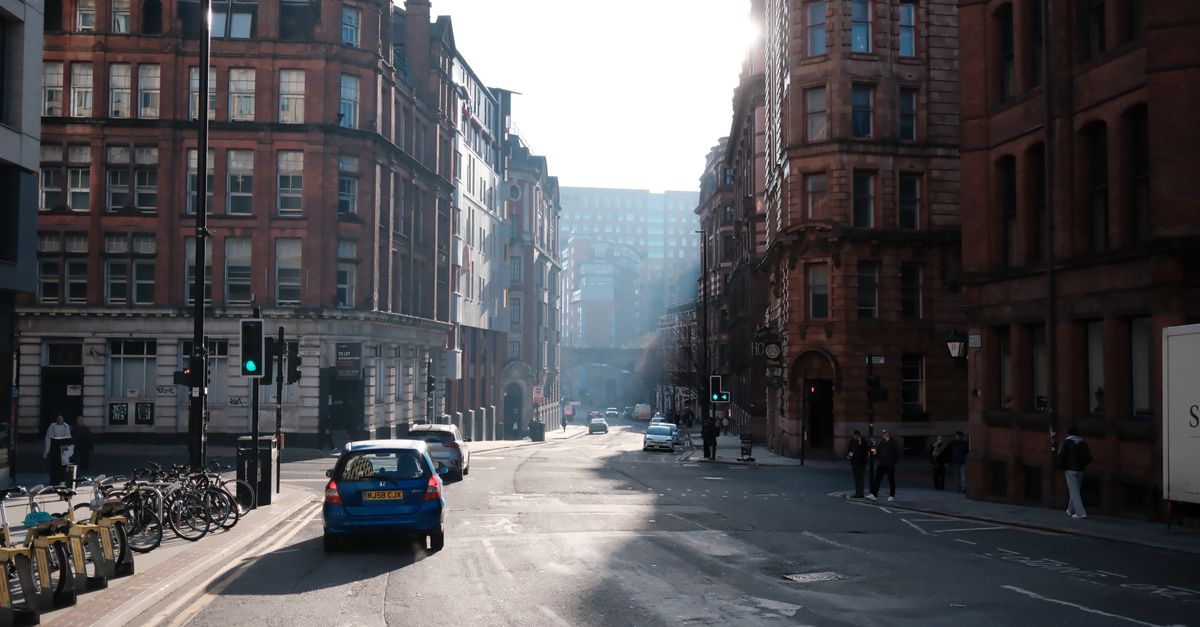
Bristol's Clean Air Zone charges £9 a day for non-compliant cars, taxis and vans, and £100 a day for older HGVs, buses and coaches, to drive into the central zone. Crucially, most newer cars pay nothing: petrol vehicles from roughly 2006 and diesels from roughly 2015 are exempt, as are all electric cars and motorbikes. The single most useful thing you can do is check your registration before you travel.
This trips up a lot of visitors, especially those who assume Bristol works like Bath. It doesn't: Bath's zone doesn't charge private cars at all, but Bristol's does. Here's the detail.
Who pays, and how much
Bristol runs a Class D Clean Air Zone, live since November 2022, covering the city centre and surrounding inner area.
| Vehicle | Daily charge (if non-compliant) |
|---|---|
| Car, taxi, van or other LGV | £9 |
| HGV, bus or coach | £100 |
| Motorbike or moped | No charge |
The charge applies 24 hours a day, every day of the year, and you pay once per day no matter how many times you enter. You can pay from six days before to six days after you drive in the zone.
Who's exempt
You pay nothing if your vehicle meets the emissions standards, which most reasonably modern vehicles do:
- Petrol cars and vans meeting Euro 4 (broadly, petrol vehicles registered from around 2006).
- Diesel cars and vans meeting Euro 6 (broadly, from around 2015).
- Fully electric and hydrogen vehicles.
- Motorbikes and mopeds.
Older, higher-emission diesels are the ones most likely to be charged. The only way to be sure is to check your number plate on the government's official Clean Air Zone vehicle checker before you set off.
How to avoid the charge
- Check your vehicle first. If it's compliant, you can ignore the zone entirely.
- Use a Park and Ride. The Portway, Brislington and Long Ashton sites sit outside the charging zone, so you can leave an older car there, park free and take the bus in for about £3.50 return. See the Bristol parking guide.
- Go car-free. The city centre is walkable, and buses (including a 24-hour MetroBus) cover most trips.
- Pay promptly if you do drive in. Use the official portal within the six-day window to avoid a penalty charge, which is far higher than the £9.
The honest alternative
If your car isn't compliant and you're only visiting the centre, the Park and Ride almost always works out cheaper and simpler than paying £9 plus city-centre parking. And if you're heading to Bristol Airport rather than the city, the Clean Air Zone doesn't apply on that route at all; see getting to Bristol Airport.
FAQs
Does Bristol's Clean Air Zone charge private cars?
Yes. Bristol runs a Class D zone that charges non-compliant private cars £9 a day, unlike Bath, which only charges commercial vehicles. Petrol cars from around 2006, diesels from around 2015, and all electric vehicles are exempt.
How much is the Bristol Clean Air Zone charge?
£9 a day for non-compliant cars, taxis and vans, and £100 a day for non-compliant HGVs, buses and coaches. Motorbikes are not charged. You pay once per day regardless of how many times you enter.
How do I know if my car has to pay?
Check your number plate on the government's official Clean Air Zone vehicle checker. As a rough guide, petrol vehicles registered from about 2006 and diesels from about 2015 are compliant and pay nothing.
How can I avoid the Bristol Clean Air Zone charge?
Check your vehicle is compliant, or park at one of the Park and Ride sites (Portway, Brislington, Long Ashton), which are outside the zone, and take the bus in for about £3.50 return. Electric vehicles and most newer cars are exempt anyway.