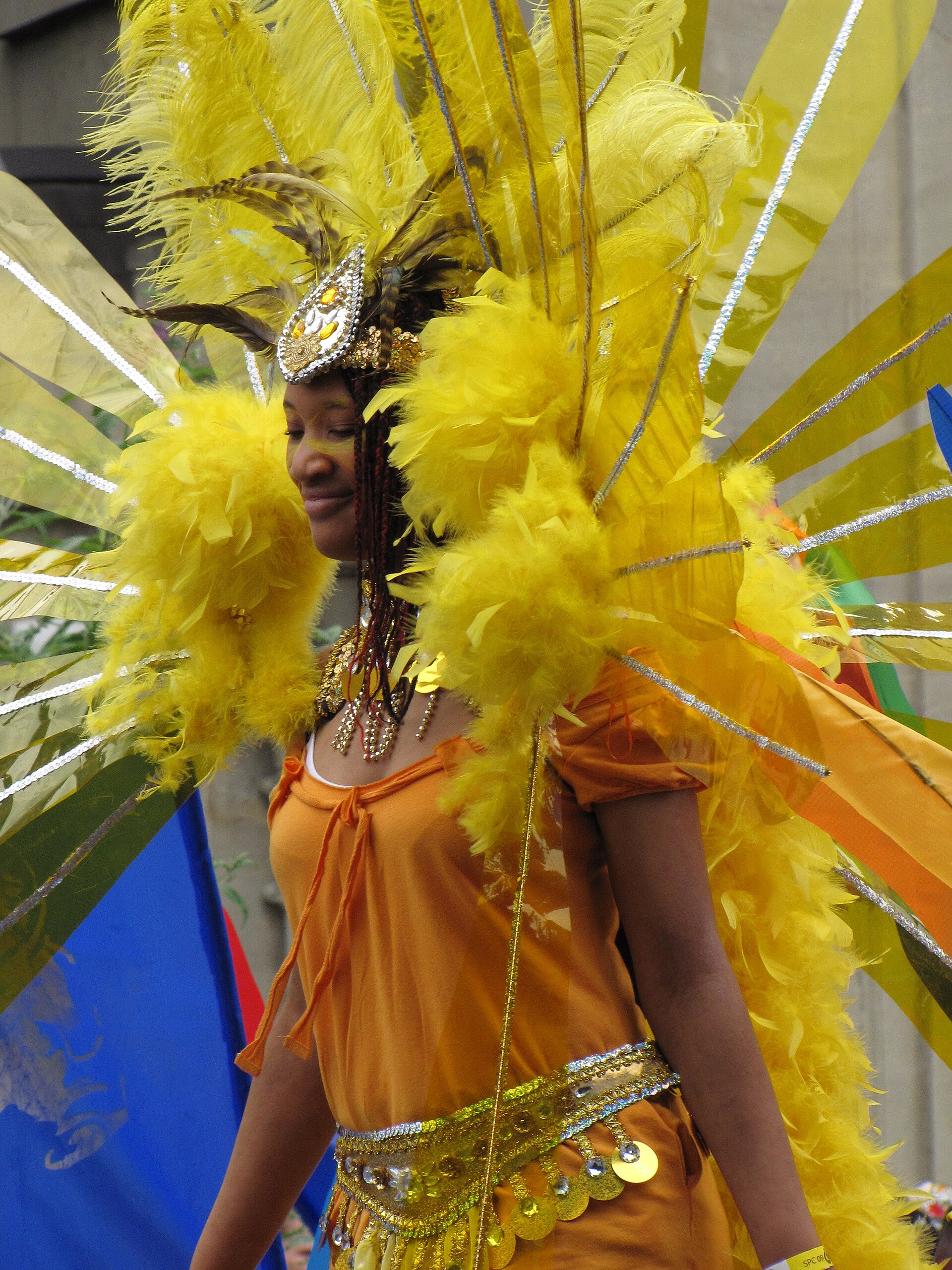

St Pauls sits just northeast of Bristol city centre, a ten-minute walk from Cabot Circus, and it's the heart of the city's Afro-Caribbean history and culture. It's best known for St Pauls Carnival, one of the UK's biggest Caribbean carnivals, and for a strong, close-knit community that's shaped modern Bristol more than its size suggests.
Most visitors see St Pauls only from a car on the way into the centre, which is a shame, because it's one of the more distinctive neighbourhoods in the city if you spend an afternoon in it properly.
What St Pauls is like
St Pauls is a dense, inner-city district of Georgian and Victorian terraces, many converted to flats, alongside newer housing. It shares a postcode area with the city centre and sits between Stokes Croft and Old Market, so it's easy to combine a visit with either. The community here is genuinely multicultural, with deep Afro-Caribbean roots going back to the Windrush generation, and that history is visible in the food shops, community centres and street art around the neighbourhood.
It's also a neighbourhood with a serious political history. Members of St Pauls' African Caribbean community played a central role in the 1963 Bristol Bus Boycott, a campaign against the racial hiring ban on Bristol's buses that helped push toward the UK's Race Relations Act. That history of community organising and activism is still part of the area's identity today.
St Pauls Carnival
St Pauls Carnival has run since 1968 and is modelled in spirit on London's Notting Hill Carnival: a procession of costumes, sound systems, music and food that draws visitors from well beyond Bristol. It's the neighbourhood's single biggest event and usually the best time to visit if you want to see St Pauls at its most vibrant. Dates move year to year, so check our Bristol events guide for confirmed current dates rather than assuming it falls on the same weekend as last year.
Street art and culture
St Pauls has a strong tradition of murals and public art, feeding into the same scene that made neighbouring Stokes Croft famous. Look out for pieces along Ashley Road and the streets around the Malcolm X Community Centre, a long-standing hub for community events, meetings and celebrations. If street art is the main draw, pair a visit here with our Stokes Croft guide next door.
Food and everyday life
The area's food scene reflects its heritage: Caribbean bakeries, African and Caribbean grocers, and long-running community cafes rather than a cluster of destination restaurants. It's a good place to eat well and cheaply if you know where to look, though it changes more often than the bigger food strips in Bristol, so a quick check of current opening hours before you go is worth it.
Getting there
St Pauls is walkable from the city centre in about 15 minutes, and it sits on several main bus routes running out of the centre. If you're coming by car, be aware the Bristol Clean Air Zone covers this part of the city, so check the Bristol parking guide before you drive in with an older vehicle.
Comparison table
| Neighbourhood | Character | Best for |
|---|---|---|
| St Pauls | Afro-Caribbean heritage, community-led, carnival | History, culture, carnival |
| Stokes Croft | Bohemian, street art, music venues | Nightlife, street art |
| Easton | Diverse, affordable, international food | Food, everyday Bristol |
| Old Market | Mixed, up-and-coming, LGBTQ+ scene | Bars, theatre |
Frequently asked questions
Is St Pauls safe to visit?\nLike any inner-city neighbourhood, it's sensible to use normal city awareness, especially at night, but St Pauls is a residential community, not a no-go area, and it's walked and visited daily by locals and visitors alike.
When is St Pauls Carnival?\nIt's held annually, usually in summer, but exact dates change year to year. Check our Bristol events guide for this year's confirmed date before planning a trip around it.
How do I get to St Pauls from the city centre?\nIt's about a 15-minute walk from Cabot Circus, or a short bus ride on several routes heading out of the centre. It's easy to combine with a visit to Stokes Croft, which borders it.
What is St Pauls known for historically?\nIt's known for its Afro-Caribbean community and for the 1963 Bristol Bus Boycott, in which St Pauls residents played a leading role in a campaign that helped shape UK race relations law.
Is there good food in St Pauls?\nYes, particularly Caribbean and African bakeries and grocers, though it's more about everyday community food than destination dining. Pair it with a trip to nearby Stokes Croft or Gloucester Road for a wider spread of restaurants.
Can I combine a visit to St Pauls with other neighbourhoods?\nEasily. It borders Stokes Croft to the west and Old Market to the south, both walkable, and it's close enough to the city centre to fit into a single afternoon.