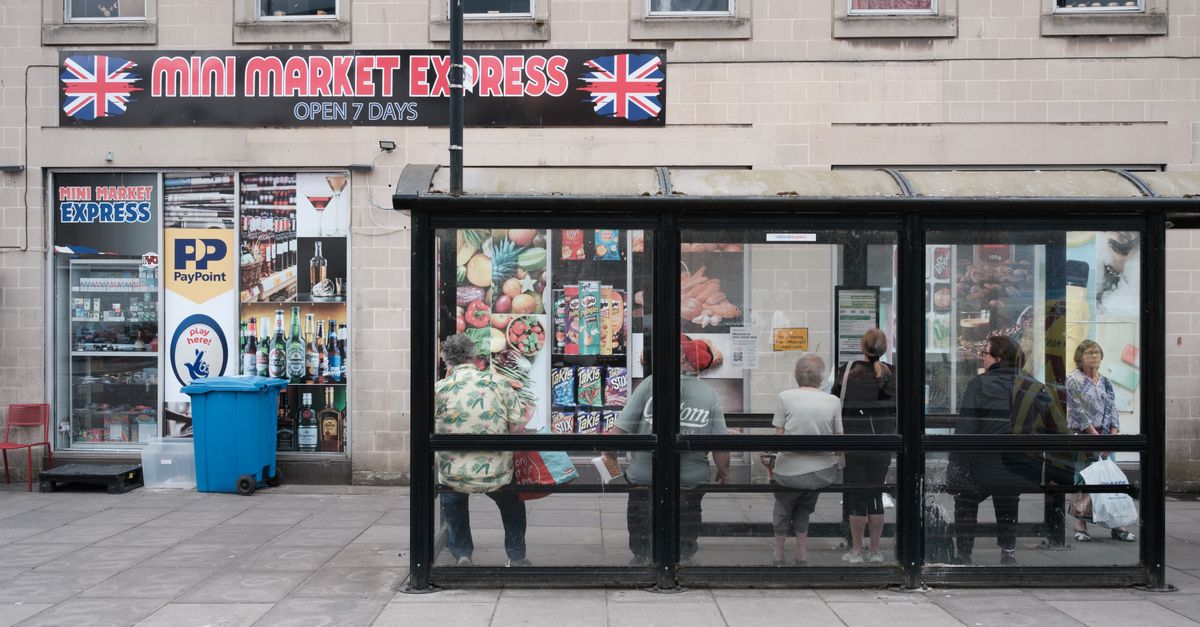
Easton sits just east of the M32, a 15 to 20 minute walk from the city centre, and it's one of the most ethnically diverse neighbourhoods in Bristol. If you want to eat your way through Somali, Yemeni, Ethiopian, Bangladeshi, Caribbean, Kurdish and Polish food on a single street, Stapleton Road is where you do it. It's not polished, and parts of it look rough around the edges, but it's a genuinely lived-in part of the city rather than a curated one.
Where Easton is and how to get there
Easton is bordered roughly by the M32 to the west, Eastville to the north, St Werburghs to the south, and Whitehall to the east. Stapleton Road railway station sits right in the middle of the neighbourhood, with regular trains toward Bristol Temple Meads in one direction and Filton Abbey Wood, Yate and beyond in the other. It's also a short ride on several First Bus routes from the centre, and walkable from Stokes Croft and Montpelier if you don't mind a bit of a trek.
If you're arriving by bike, the Bristol and Bath Railway Path runs close to the neighbourhood's northern edge on its way out from Lawrence Hill toward Fishponds and Staple Hill, so it's an easy add-on if you're already exploring that route. See our guide to getting around Bristol for more on cycling and public transport options.
What Easton is known for
Easton grew as a working-class, industrial part of the city, and waves of migration from South Asia, East Africa, the Caribbean and more recently Eastern Europe and the Horn of Africa have shaped it since. That history shows up most obviously in the food.
Stapleton Road's food scene
Stapleton Road is the spine of the neighbourhood, and it's where most of the eating happens. A few names that keep coming up:
- Sweet Mart: a long-running independent grocery and deli on St Mark's Road, stacked with spices, fresh produce and a hot food counter. It's something of a Bristol institution and a good first stop if you want to understand the area's food culture in one visit.
- Real Habesha: an Ethiopian and Eritrean restaurant serving injera with spiced lentils and stews, run by owners happy to talk you through the menu if you're new to the cuisine.
- Mandhi Palace: a Yemeni restaurant known for slow-cooked lamb mandi, a rice and meat dish cooked in a pit oven.
- A run of Somali cafés, Caribbean takeaways and a Kurdish grill or two, most without much of an online presence, which is part of the appeal if you like discovering places rather than being sold them.
This isn't a polished "food quarter" in the way Wapping Wharf or Gloucester Road can feel. It's working shops and family-run kitchens, and prices tend to be lower than the centre as a result.
The Grand Iftar
Each year during Ramadan, Easton Jamia Mosque on St Mark's Road hosts the Grand Iftar, a public communal meal that draws people from across the city, regardless of faith, to break the fast together on the street outside the mosque. It's become one of Bristol's better-known community events and is a good example of how Easton functions: informal, mixed and genuinely open to outsiders who show up with the right attitude.
Green space and things to do
Easton itself is fairly built-up, but it isn't far from some decent green space. Eastville Park, with its lake and links to the River Frome, sits just north across the M32. St Werburghs, with its community farm and allotments, is a short walk south. Our Montpelier and St Werburghs guide covers more on that side of the neighbourhood. Stokes Croft, with its street art and nightlife, is also within easy walking distance if you want a change of pace. Our Stokes Croft guide covers that.
Living in Easton
Housing in Easton is mostly Victorian terraces, generally cheaper than Redland, Clifton or Montpelier, which has made it popular with students, young families and first-time buyers priced out of the more established neighbourhoods nearby. It has a reputation, not always fair, for being one of the "rougher" parts of central Bristol. That's largely a hangover from the 1980s and 90s rather than a reflection of the neighbourhood today. As with most inner-city areas, it's worth walking the specific street you're interested in at different times of day before deciding.
Should you visit or move to Easton?
If you're after polished cafés, boutique shops and Instagram corners, Easton isn't that neighbourhood. Try Clifton or Gloucester Road instead. If you want some of the most genuinely diverse and affordable food in Bristol, and don't mind a neighbourhood that feels more lived-in than curated, it's well worth the walk or the short bus ride from the centre.
Frequently asked questions
Is Easton a good area for visitors, not just residents? Yes, particularly for food. Stapleton Road has one of the most diverse restaurant and café scenes in Bristol, and most places are welcoming to visitors. It's less geared toward tourism than Clifton or Harbourside, so don't expect polished signage or English-only menus everywhere.
How do you get to Easton from Bristol Temple Meads? The most direct way is a short train hop to Stapleton Road station, or a First Bus service from the city centre. It's also a walkable 20 to 25 minutes if you don't mind crossing the M32.
Is Easton safe? Like most inner-city Bristol neighbourhoods, it's generally fine during the day and busy periods, with the usual common-sense precautions at night. Its reputation is more a legacy of past decades than a reflection of current conditions, but as with anywhere, it's worth getting a feel for a specific street before assuming.
What's the connection between Easton and the Bristol and Bath Railway Path? The 15-mile traffic-free path, part of National Cycle Network Route 4, runs close to Easton's northern edge as it heads from Lawrence Hill out toward Fishponds, Staple Hill and eventually Bath.
Is Easton close to Stokes Croft and St Werburghs? Yes. Both are within easy walking distance, so you can combine a visit to Stapleton Road with Stokes Croft's street art or St Werburghs' community farm in the same trip.
What is the Grand Iftar? An annual public Iftar (the meal that breaks the daily fast during Ramadan) held on St Mark's Road by Easton Jamia Mosque, open to the whole community regardless of faith. It's held on the street each year during Ramadan and has grown into one of the city's notable community events.