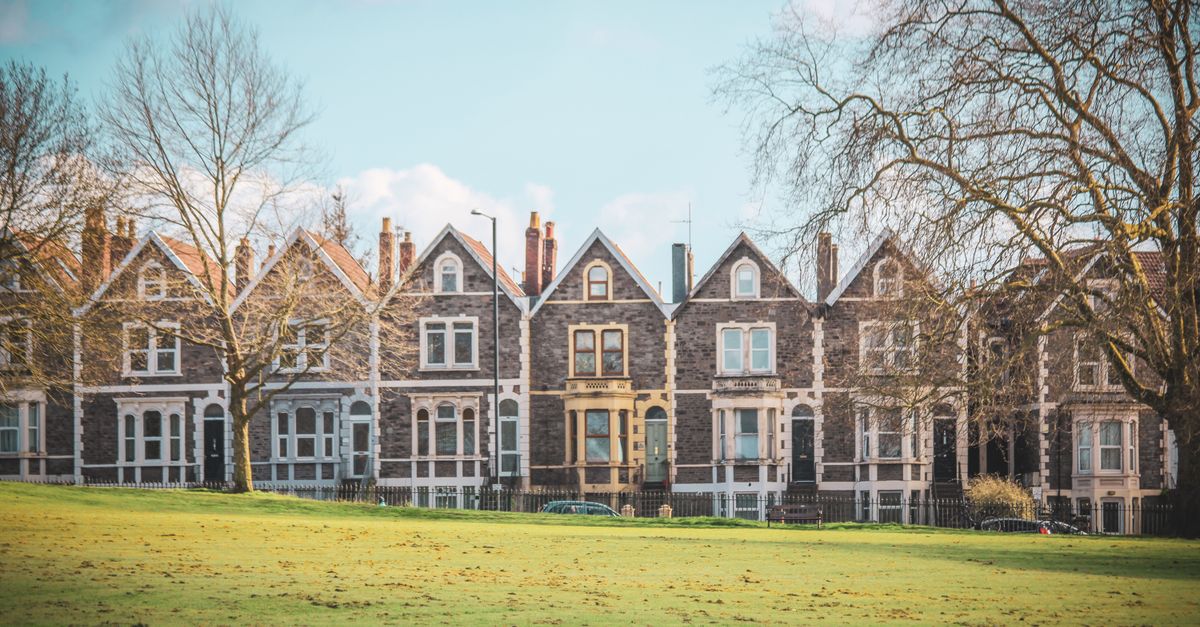
If you park on a residential street in Bristol without checking first, there's a real chance you're in a Residents' Parking Scheme (RPS) zone, where non-permit vehicles are charged or ticketed during operating hours, typically Monday to Friday daytime, though a few zones cover evenings and weekends too. Only someone who lives in the zone and holds a permit can register you a paid visitor permit through the MiPermit app, at £1.30 a day in most zones (£1.00 in Easton and St Philips). Outside operating hours, and on unrestricted streets, parking is free.
What an RPZ actually is
Bristol has dozens of RPS areas, mostly in the neighbourhoods that ring the centre: Clifton, Redland, Cotham, Bishopston, Easton, Southville, Bedminster, Montpelier, St Andrews and more. Councils introduced them to stop commuters and city-centre workers filling residential streets for free all day. Each zone has its own signs at the entrance showing the zone code and the operating hours, and bay markings or kerb signs showing which bays are permit-only.
If you're just passing through as a tourist, the zones that matter most are the ones close to the attractions you're likely to walk from, particularly around Clifton Village and the Downs, where visitor demand for the Suspension Bridge and the observatory pushes people onto side streets. Assume any residential street within about a mile of the centre could be a zone until you've checked the signs.
What it costs
Bristol City Council increased RPS charges from 8 April 2026. A resident's first permit now costs £129 a year for vehicles in emissions bands A to K, rising to £193 for the highest-emission bands L and M. A second permit in the same household costs £233, and a third £581, a deliberate steer against multi-car households. Easton and St Philips have a flatter structure, with most bands paying £129 regardless.
None of that applies to you if you're just visiting. What you need is a visitor permit, and only a resident of that specific zone can buy one for you through MiPermit, in bundles of ten, at £1.30 each (£1.00 in Easton and St Philips). It's registered to your number plate digitally, so there's nothing to display on the dashboard. If you're staying with someone who lives in Bristol, ask them to sort this before you arrive, since same-day registration through the app is quick but still needs to happen before a warden checks the bay.
If you don't have a resident to vouch for you
Most visitors don't. The practical options are:
- Park and Ride: Bristol's three Park and Ride sites (Long Ashton, Portway and Brislington) sit outside the RPS areas entirely, with a bus into the centre. See our Park and Ride guide for prices and routes.
- Council car parks and city-centre bays: pay-and-display bays and multi-storeys in the centre aren't RPS-restricted, though they carry their own hourly rates and Clean Air Zone considerations. Our parking guide covers those rates.
- Free unrestricted streets: some residential streets have no scheme at all, usually a little further out. Read the signage at the top of the street rather than guessing.
How to tell if a street is in a zone
Look for a rectangular sign near the junction showing a zone letter or number and the operating hours (for example "Zone Y: Mon-Fri 8am-6.30pm"). Bays painted with a single white line and a small plate reading "Permit holders only" are the ones to avoid without a permit. If the sign lists specific hours and you're outside them, or it's a weekend and the sign only restricts weekdays, you can generally park for free, though double yellow lines and other standard restrictions still apply everywhere, permit or not.
The honest take
RPS zones exist to protect residents, not to catch out visitors, but the signage is easy to miss on a first visit, and a Penal Charge Notice will land days later regardless of intent. If you're staying in a residential area, ask your host or Airbnb listing directly whether the street is in a scheme, since many hosts already have a stash of visitor permits arranged for guests. If you're just in Bristol for a day out, it's simpler to use Park and Ride or a council car park and skip the question entirely. For getting around once you've parked, see our guide to getting around Bristol, and if you're weighing up whether to bring a car at all, our neighbourhoods guide has more on which areas are easiest to reach without one.